
Online Gathering on
Ancient Schools and the Transmission of KnowledgeMarch 18 – 21, 2026 | 3pm and 8pm UTC

Every generation inherits the accumulated wisdom of those that preceded it, but knowledge transmitted through time is subject to natural decay. What was once alive and flexible gradually hardens into dogma, losing its capacity to transform those who encounter it. To counteract this process, every age must take upon itself the responsibility of formulating a fresh expression of these ancient truths. This is not only a historical phenomenon. The same process unfolds within each of us: our own understanding is equally susceptible to crystallization, and the only antidote is to continually return and reexamine what we have already verified. This four-day workshop traces that recurring pattern as it unfolds in the Judeo-Christian tradition — and invites us to recognize it in ourselves.
The gathering will be at a cost. All sessions will be recorded for registered participants. Read more below:
The Temple as a Container of Knowledge
An Ark Meant to Survive the Floods of Time
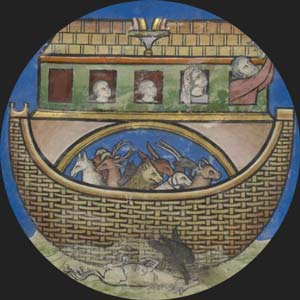
Why did ancient peoples invest such enormous resources into building temples? Beyond their obvious function as places of worship, these structures served the deeper purpose of preserving and transmitting knowledge across time. Like Noah’s Ark built to carry its essential cargo through the destruction of a flood, temples were designed to survive the upheavals of history — wars, conquests, the rise and fall of civilizations — and deliver their message intact to future generations.
We will examine how this intention manifests in the physical structure of temples: in their orientation, their proportions, their iconography, and the deliberate arrangement of their symbolic contents. We will see how the same impulse that moved Noah to build his Ark moved the builders of the great temples of antiquity, and how the knowledge they sought to preserve continues to reach us today, if we know how to look for it.
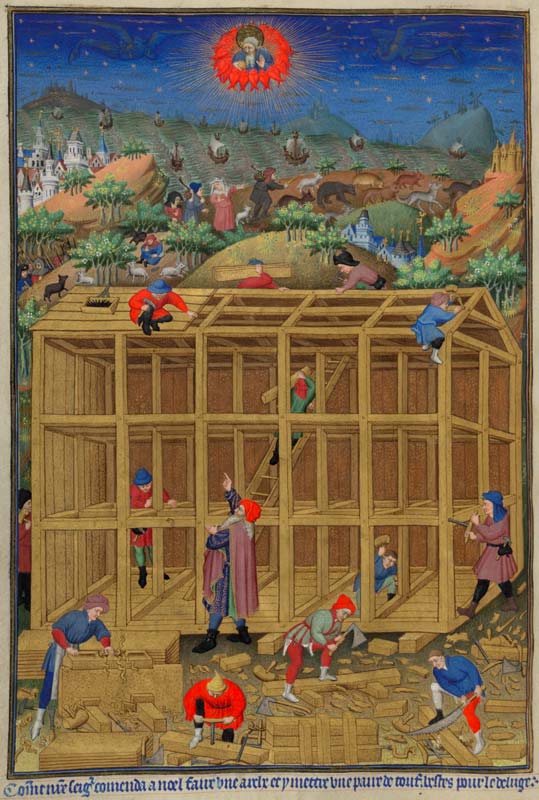
Noah’s Ark | Bedford Master | 1410–1430
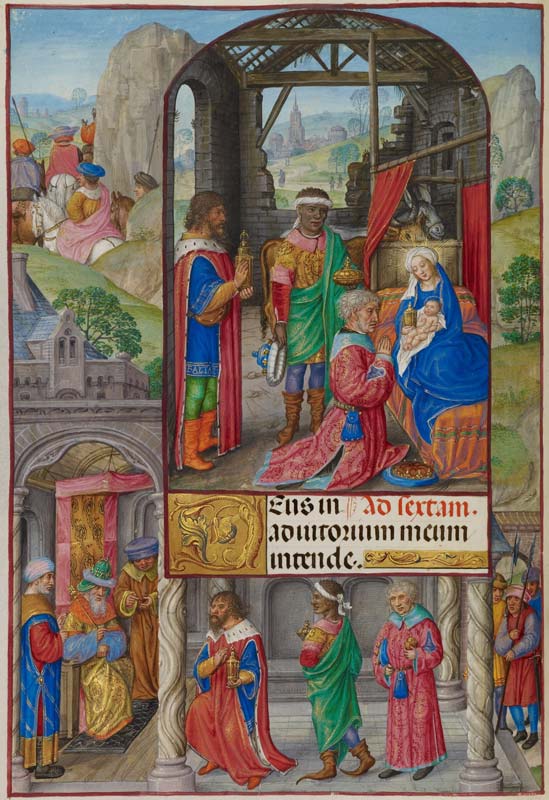
Adoration of the Magi | Master of James IV of Scotland | 1465–1541
The Need for a New Expression
The Magi Visiting the Newborn Christ
Knowledge does not transmit itself. In every age, individuals have to recognize when an existing expression of truth has exhausted its vitality and a new one needs to replace it. The visit of the Magi to the newborn Christ is one of the most vivid illustrations of this principle. These were not merely gift-bearing travelers following a star; they were representatives of an older school of knowledge, arriving to acknowledge a new expression of the same ancient truths they themselves carried.
We will examine what the Magi’s journey implies about the relationship between successive schools: how a living tradition recognizes its successor, how it transfers its blessing, and why this transfer is necessary. We will also consider what this pattern demands of us personally, for the same capacity that allowed the Magi to recognize something higher is one we are called to cultivate within ourselves.
The Old Challenging the New
Christ and the Elders
Every new expression of ancient truth must contend with the resistance of the old. What was once a living school inevitably crystallizes into an institution, and institutions, by their nature, resist anything that threatens to displace them. When the twelve-year-old Christ is found debating with the Doctors in the Temple, the scene captures this tension with remarkable precision: the new, flexible, and inspired confronting the old, fossilized, and defensive — on the old’s own territory.
We will examine what this confrontation reveals about the relationship between living knowledge and its institutionalized forms, and why this conflict is not only inevitable but necessary. Just as a muscle grows stronger through resistance, a new expression of truth is sharpened and defined by the opposition it meets. We will also consider how this same dynamic plays out within us — for we too carry our own Elders, inner voices of habit and crystallized assumption that instinctively challenge any fresh effort to see more clearly.
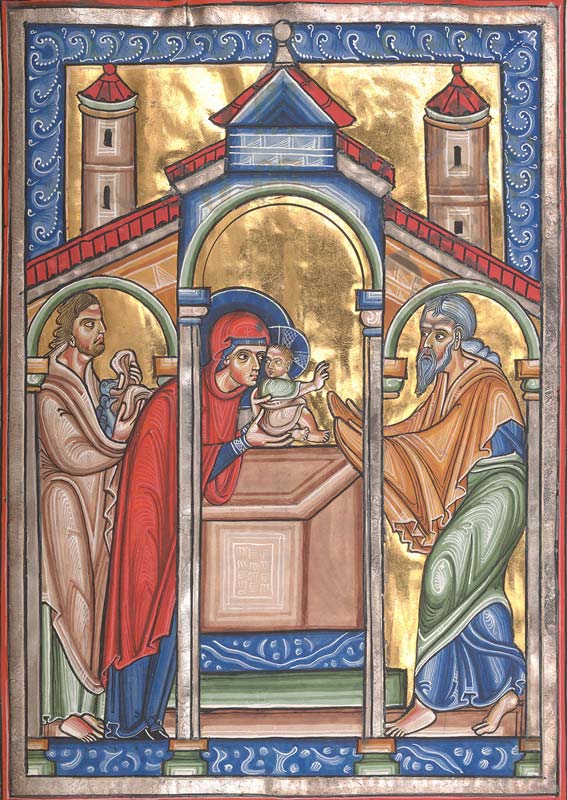
Presentation in the Temple | Berthold Sacramentary |1215–1217
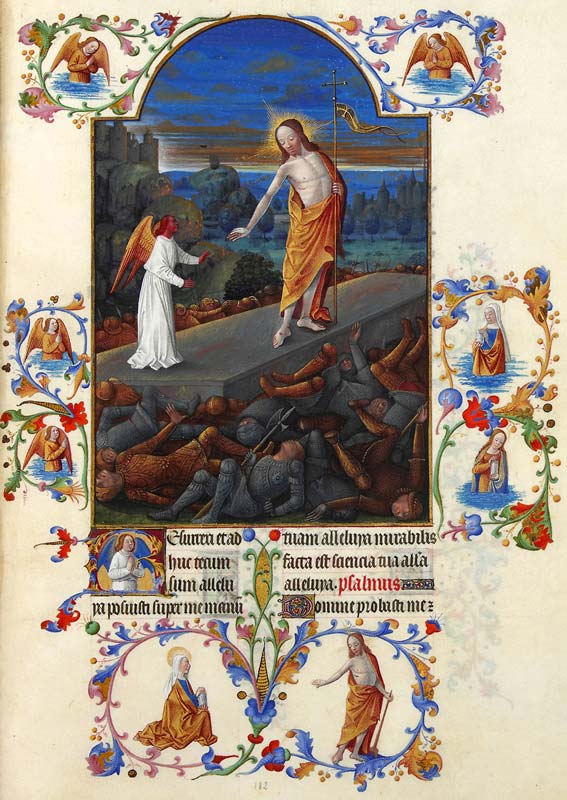
The Resurrection | Très Riches Heures du duc de Berry | 1412–1416
The Triumph of the New
Death and Resurrection
In the Judeo-Christian tradition, the confrontation between the old and the new reaches its inevitable conclusion in the crucifixion. The established order, threatened by what it cannot absorb, moves to destroy the new expression entirely. Yet in doing so, it achieves precisely the opposite of its intention. By putting the new to death, it releases it from the limitations of its historical moment and grants it a universality it could never have achieved otherwise. The resurrection is not a reversal of the crucifixion — it is its completion.
We will examine what this paradox reveals about the nature of genuine knowledge: that it cannot be destroyed, only transformed, and that its apparent death is invariably the condition for its renewal. We will also turn this lens inward — for the same pattern governs our inner work. Our old habits and crystallized assumptions must be genuinely relinquished, not merely suppressed, before something new can take their place. The triumph of the new, in history as within ourselves, always passes through a death.

Online Gathering on
Ancient Schools and the Transmission of KnowledgeMarch 18 – 21, 2026 | 3pm and 8pm UTC