Where the Boat Lands
Where our school’s boat is destined to make land is not something we know. We are guided by glimpses and impressions rarely reducible to a plan. Wherever this boat lands, if you keep your fingers on the pulse of your own work and regularly review the question of aim — of Why am I here? — you are guaranteed a profit…
A question was recently raised in our Russian community: what is the aim and purpose of our school? Rather than answer it there alone, I want to open it to all communities because the answer influences every student directly or indirectly.
When we look back in time from where we stand, we see periods of Renaissance, that is, of the rebirth of certain ideas that had flowered before, had gotten lost, and were in need of rebirth. In some of the older accounts of this process that reach us, the administrators of this Renaissance seem to know their path from the outset. The Gospels, for example, are a revival of Judaism. Jesus — the administrator of this revival — is presented as all-knowing from the start, his mission a fulfillment of a predetermined blueprint. Muhammad, another administrator of a revival that occurs a few centuries after Jesus, also seems to act under the spell of a similar certainty.
But revivalists closer to our own time, whose lives are documented rather than mythologized, tell a different story. Trace Gurdjieff’s efforts from 1912 in Russia to his death in 1949 in France, and you find a man working in a cloud of unknowing: world wars, revolutions, borders closing without warning. He hoped to settle in England; he was refused residence and settled in France instead. He purchased a Chateau, went bankrupt, re-acquired it, tried again in America, was frustrated again by war — until age itself closed the window on building anything physical meant to outlast him. Such revivalists are as much in the dark as anyone. What distinguishes them, if anything, is not foreknowledge but a certain wakefulness brought to what befalls them; the capacity to meet circumstance not merely as survival, but as material for consciousness.
We are no different. Where our school’s boat is destined to make land is not something we know. We are guided by glimpses and impressions rarely reducible to a plan.
Ouspensky titled his account of his apprenticeship with Gurdjieff’s “Fragments of an Unknown Teaching.” Seventy-five years after its publication, this book is still considered the definitive presentation of the Fourth Way. The title carries two admissions: the teaching is incomplete, and its origin is unknown. Neither is a criticism of Gurdjieff or Ouspensky. In their presence, the material likely cohered. But on the page, it does not. The book overflows with ideas. Where does a student begin? What matters most, what can safely wait? The teaching that transpires from that book offers no scale or relativity. A newcomer drowns in ideas with no way to weigh them.
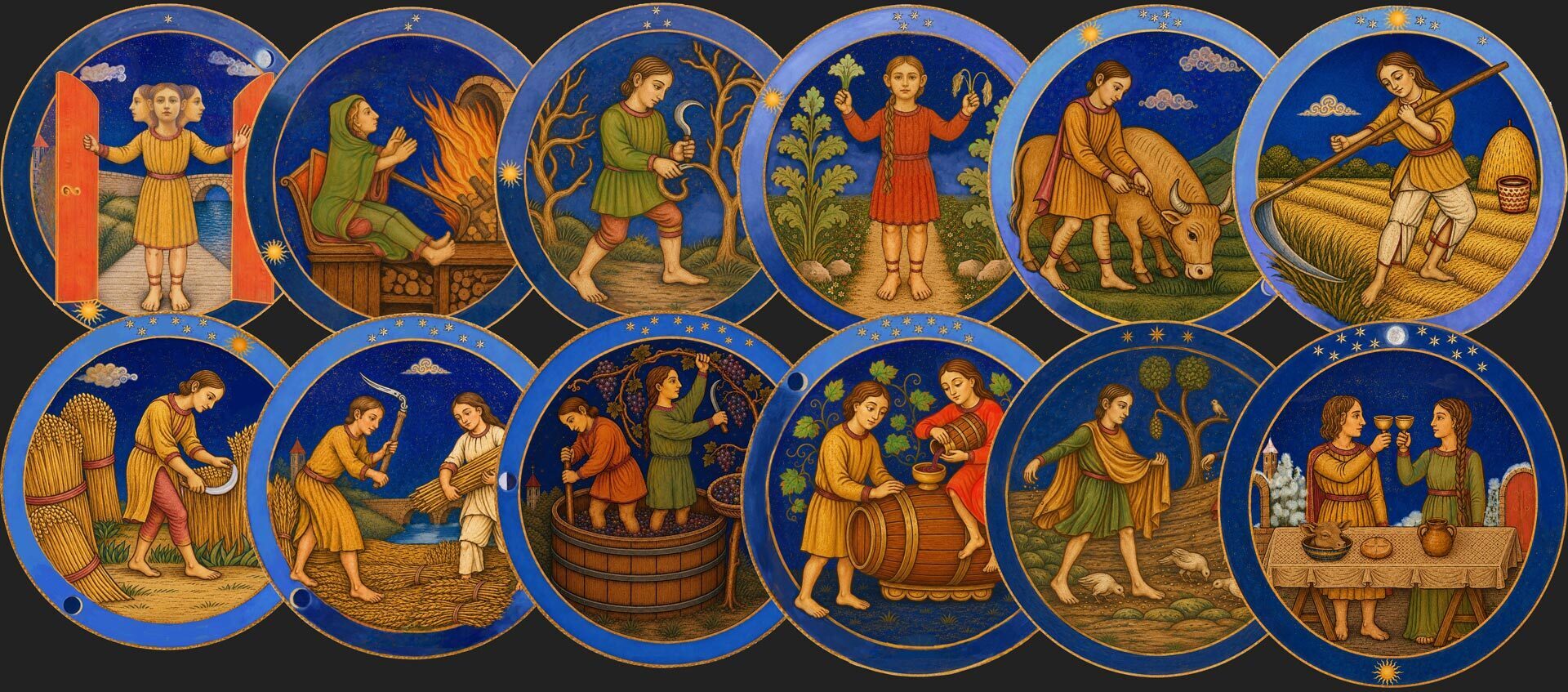
This is one area in which our school’s task has been clear. By organizing the teaching into twelve labors — a structure neither Gurdjieff nor Ouspensky’s writings supply — we answer the “fragment” aspect deliberately left open by Ouspensky. And by tracing each doctrine back to the ancient traditions it likely drew from, we answer the other open question, that of “unknown origin”. Our school’s first aim, then, has been a completion of what the twentieth-century Fourth Way left open.
There is, I believe, a second aim, further off. I have shared this with many of you before: I sense a further purpose past the codification of the teaching itself, which is the laying of ground for a new kind of community. Whether this comes to pass in our lifetimes, I don’t know. History suggests it rarely does. A teaching is a seed that usually needs generations before it germinates. Here too I find myself in Gurdjieff and Ouspensky’s position: allocating what resources we have, opening what possibilities we can, without knowing if or where they will take root.
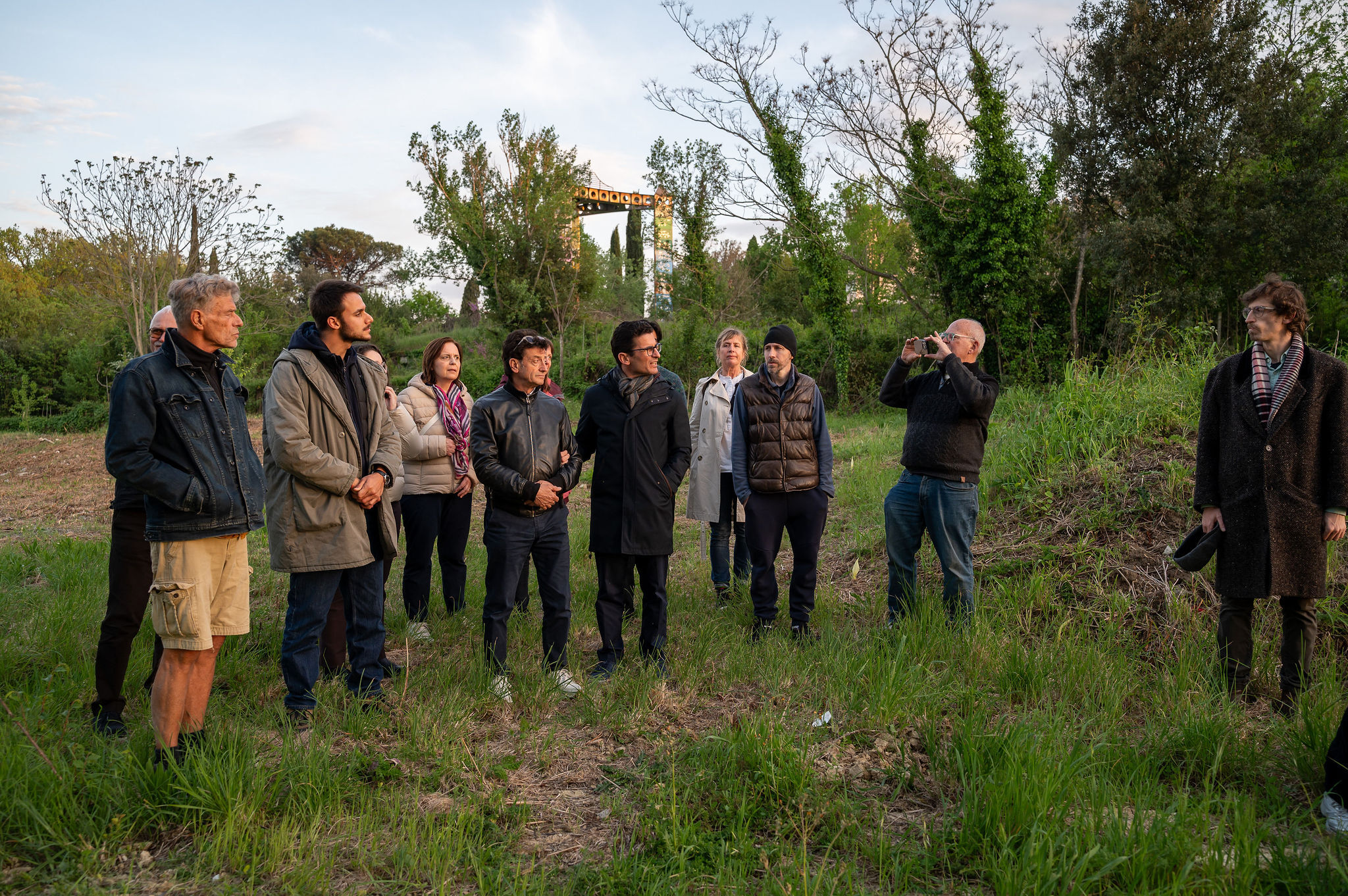
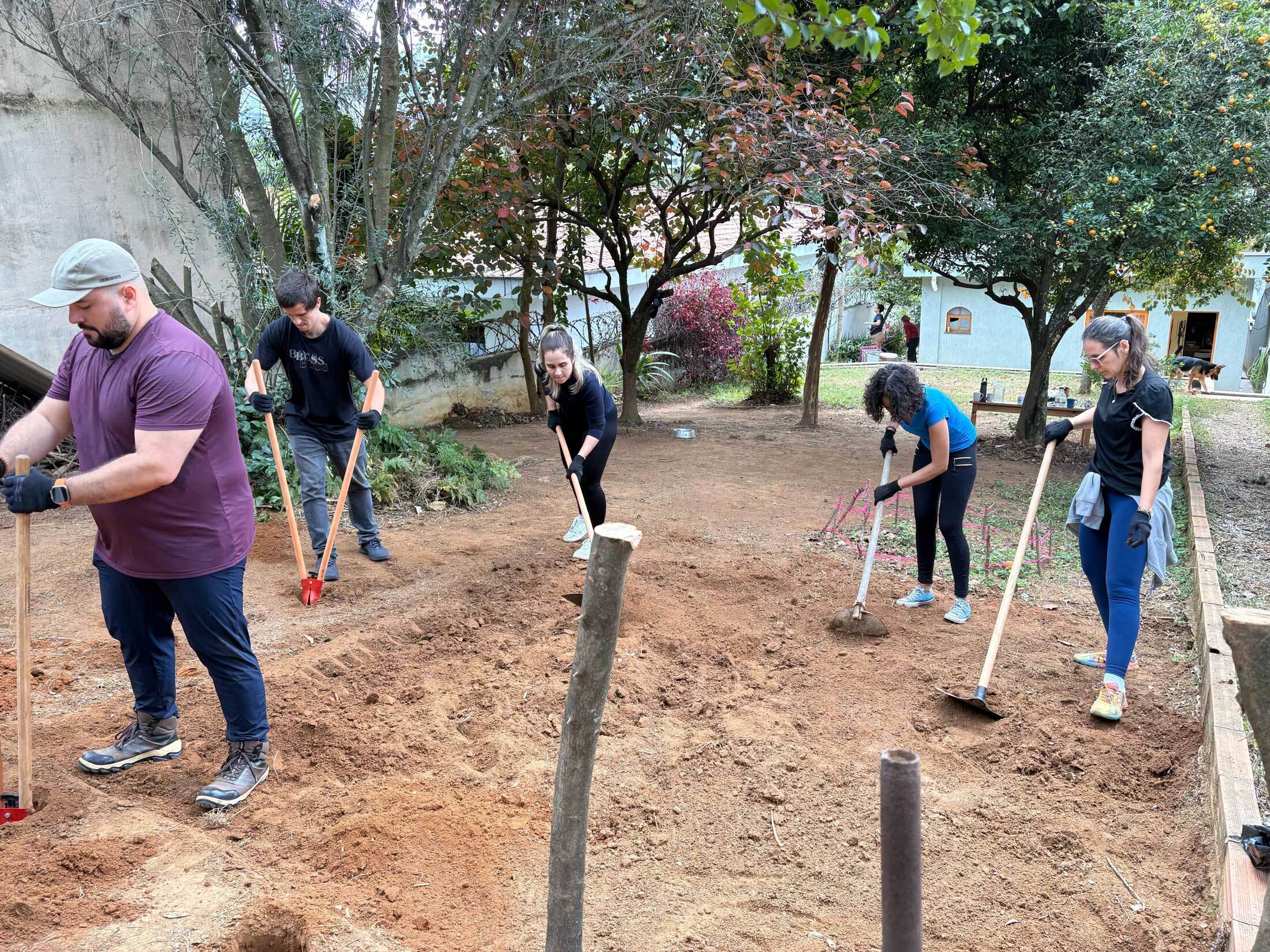
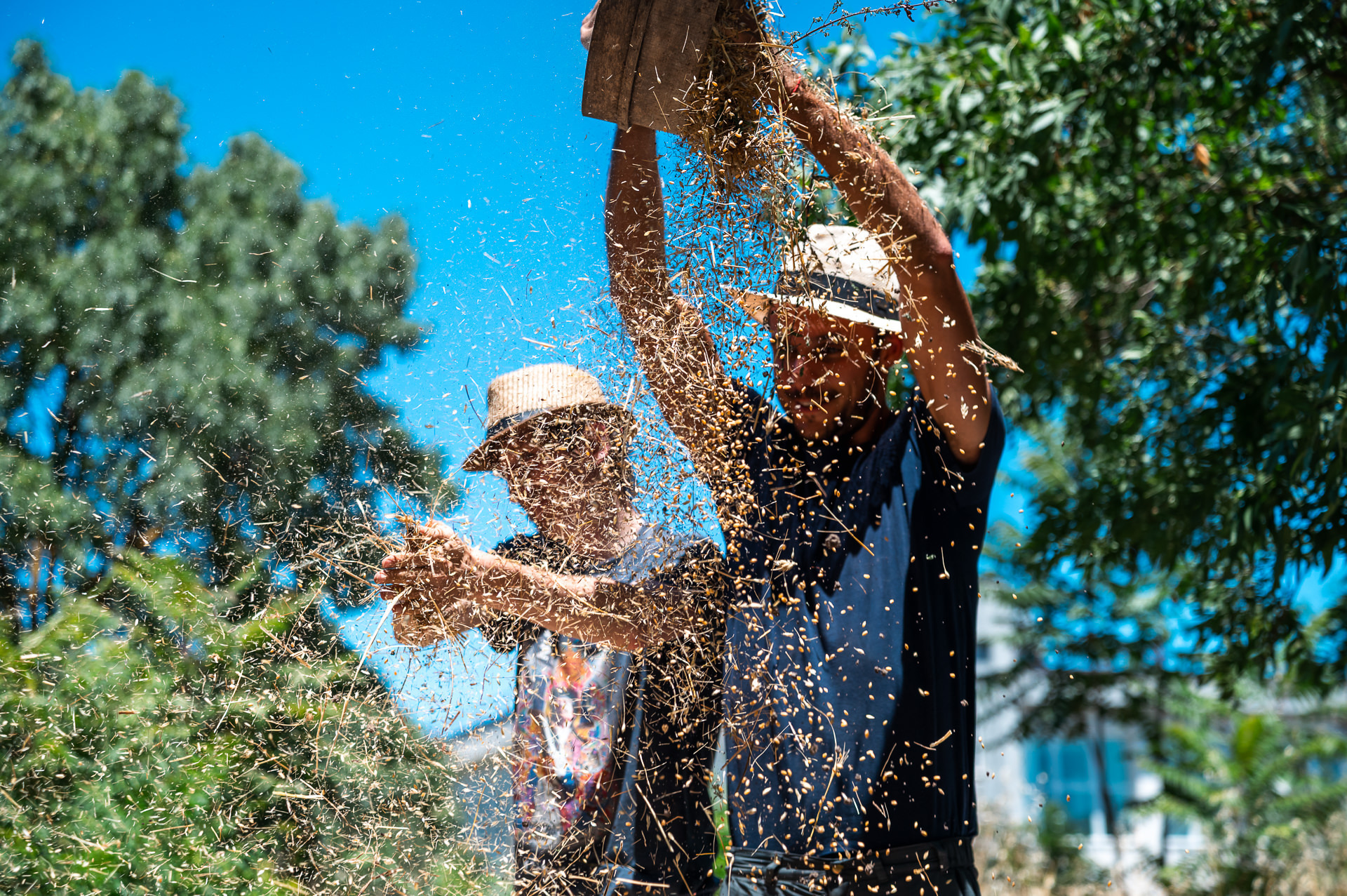
Our land in Benevento, the theater company beginning in São Paulo, the theatrical and farming experiments in France, and what may yet begin where I live in Mexico — these are the experimental labs of that possibility. The obstacles are formidable, the resources modest, and the whole prospect can look like imagination from where we stand. But circumstances shift. What looks distant now may not always remain so.
Whatever transpires of these outward prospects is secondary to why each of you is here. As students, you are here to know yourselves. This, the school already offers. We have now run long enough to have verified our teaching and methods produce real change in those who use them. Moreover, the school provides the necessary friction of working alongside other practitioners, as well as the crucial weight of serving something larger than oneself. Wherever this boat lands, if you keep your fingers on the pulse of your own work and regularly review the question of aim — of Why am I here? — you are guaranteed a profit.